Building culturally safe pathways to mental health & aOD support
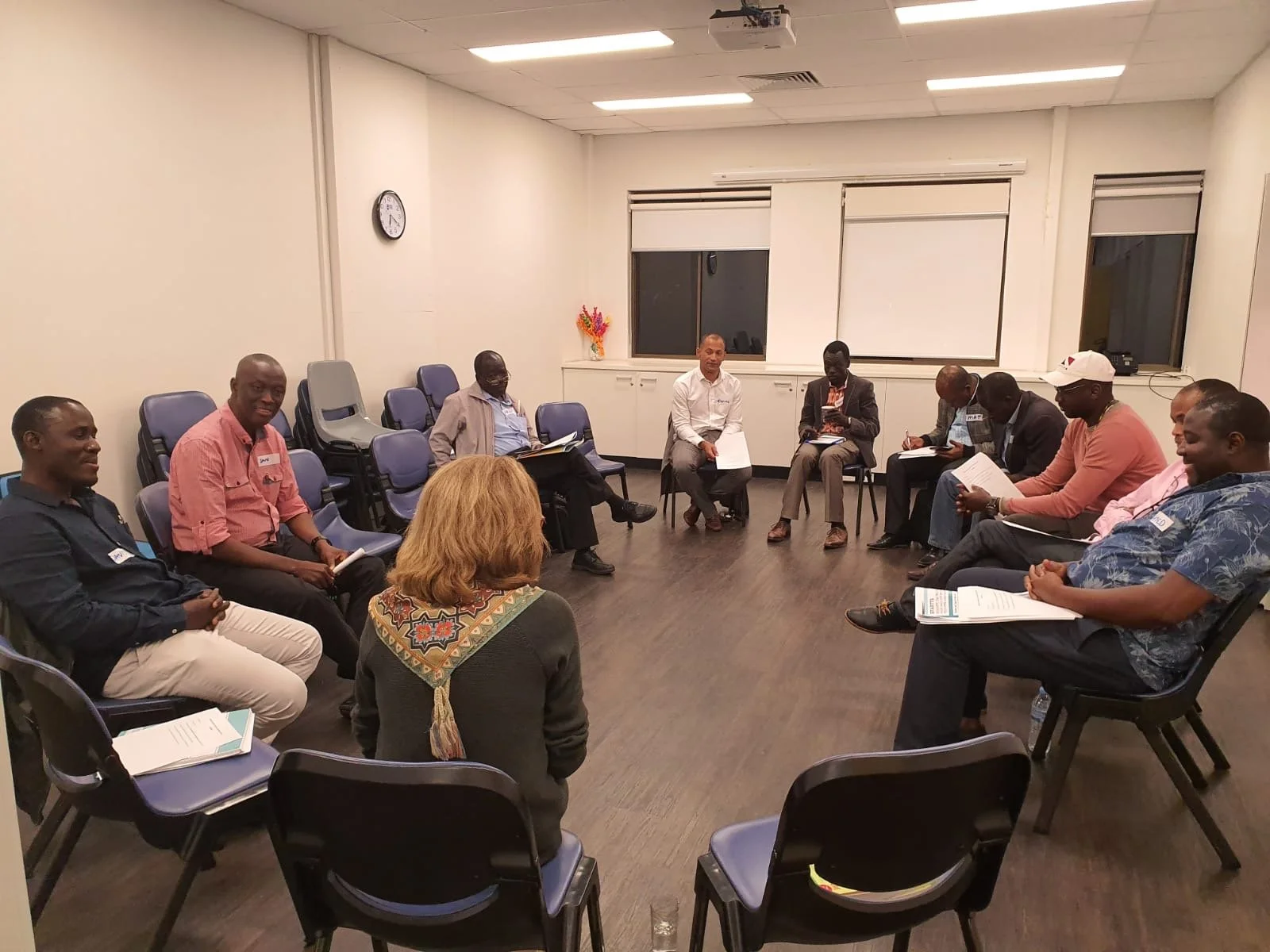
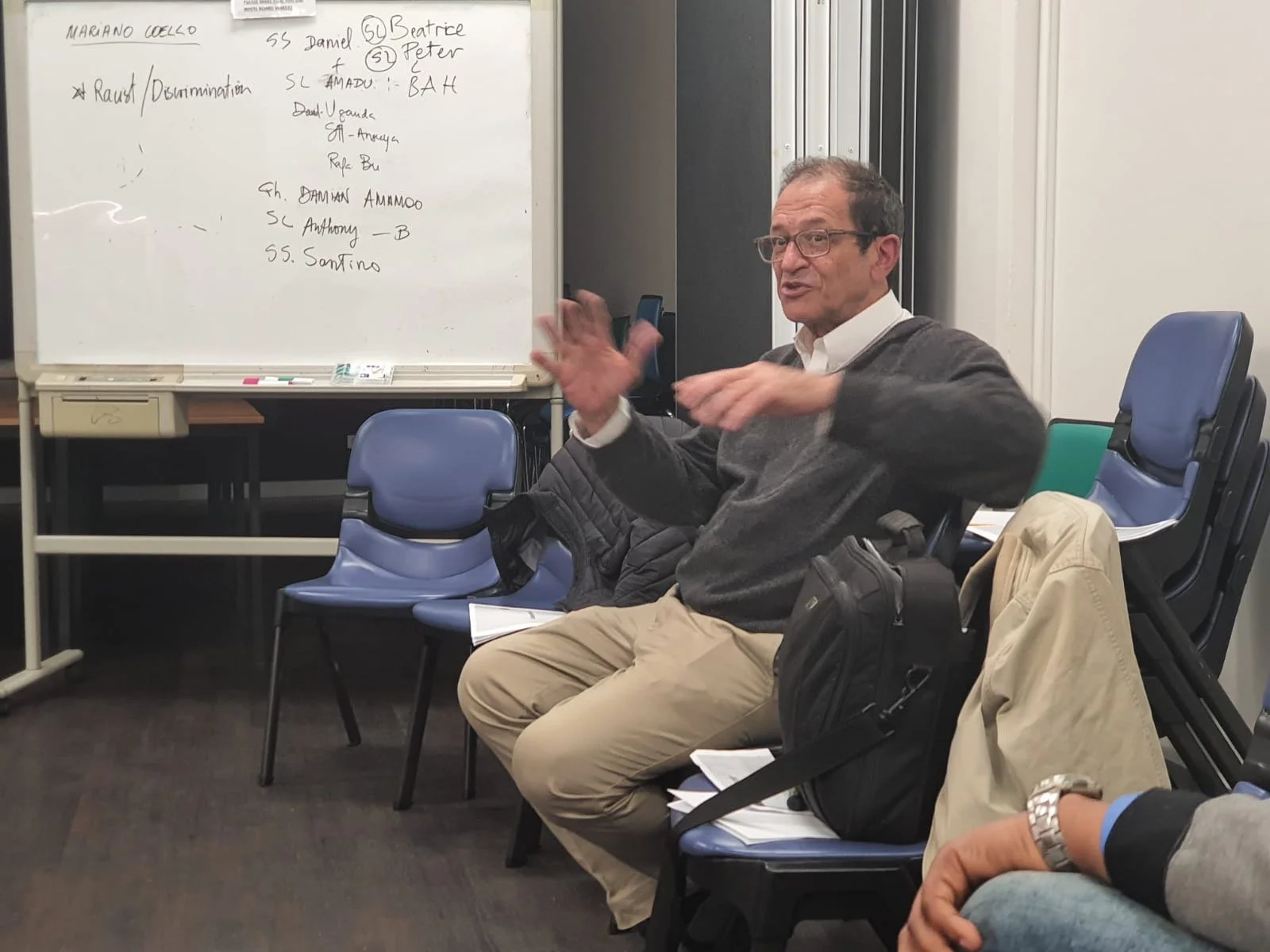
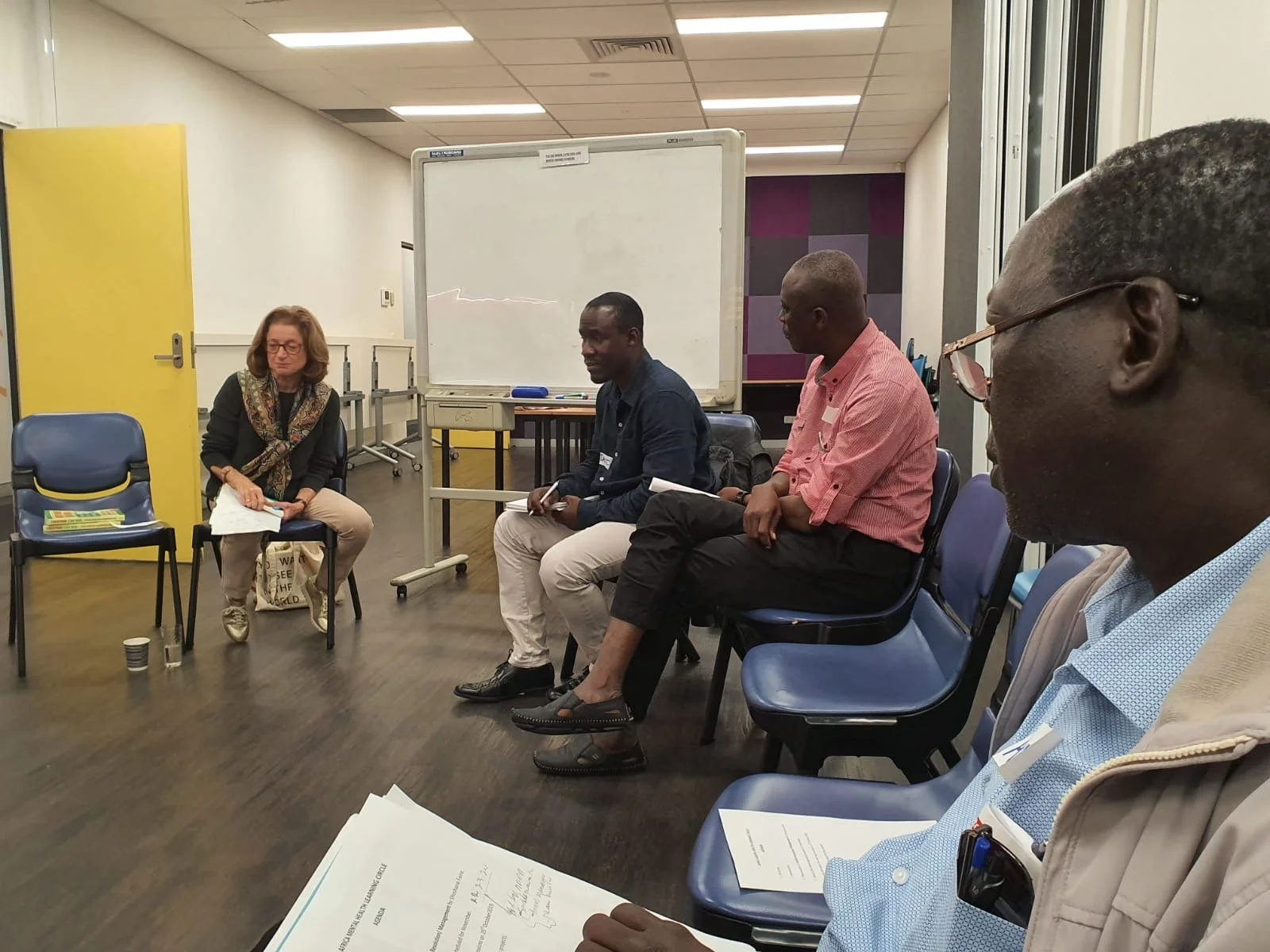
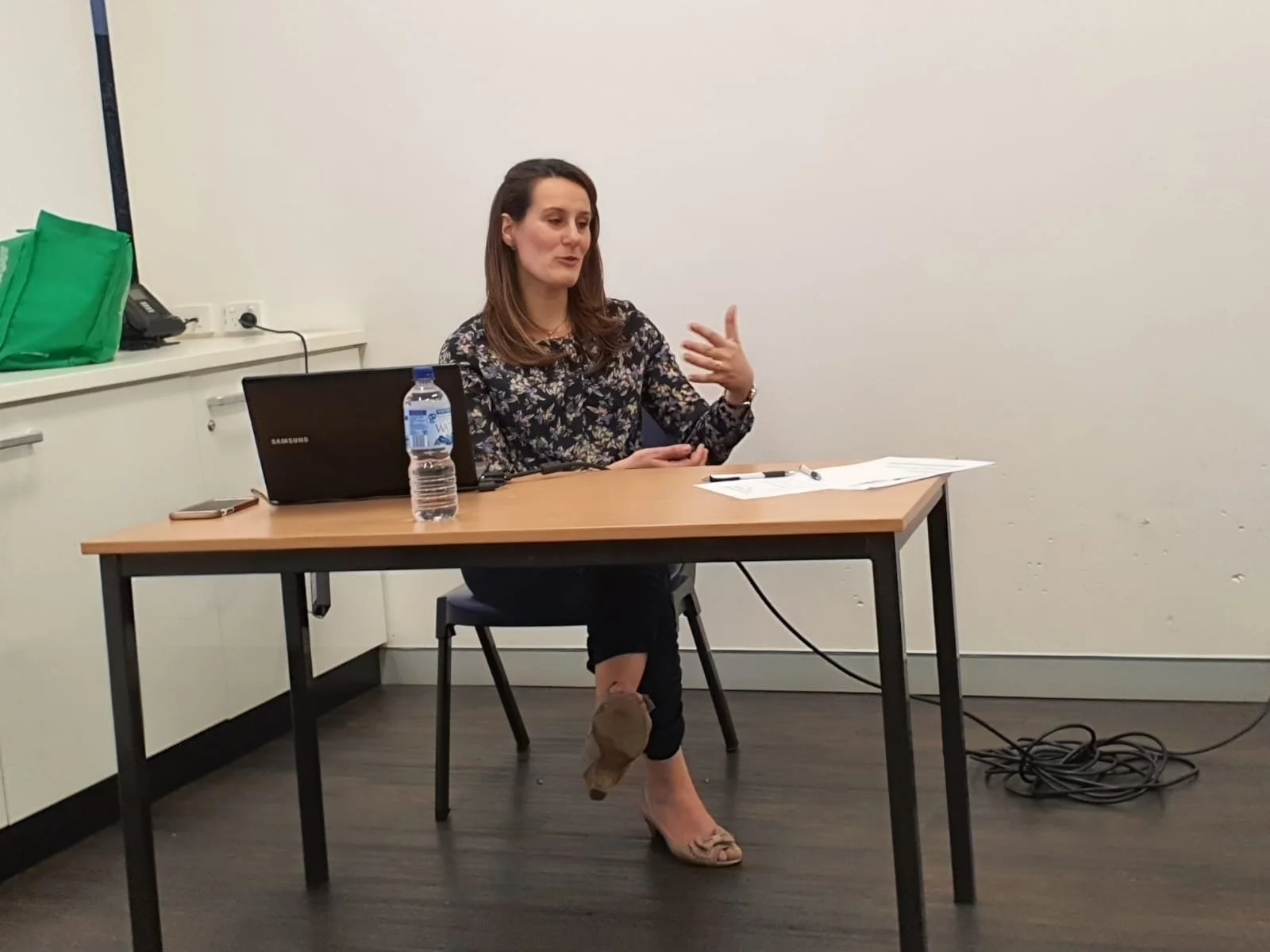
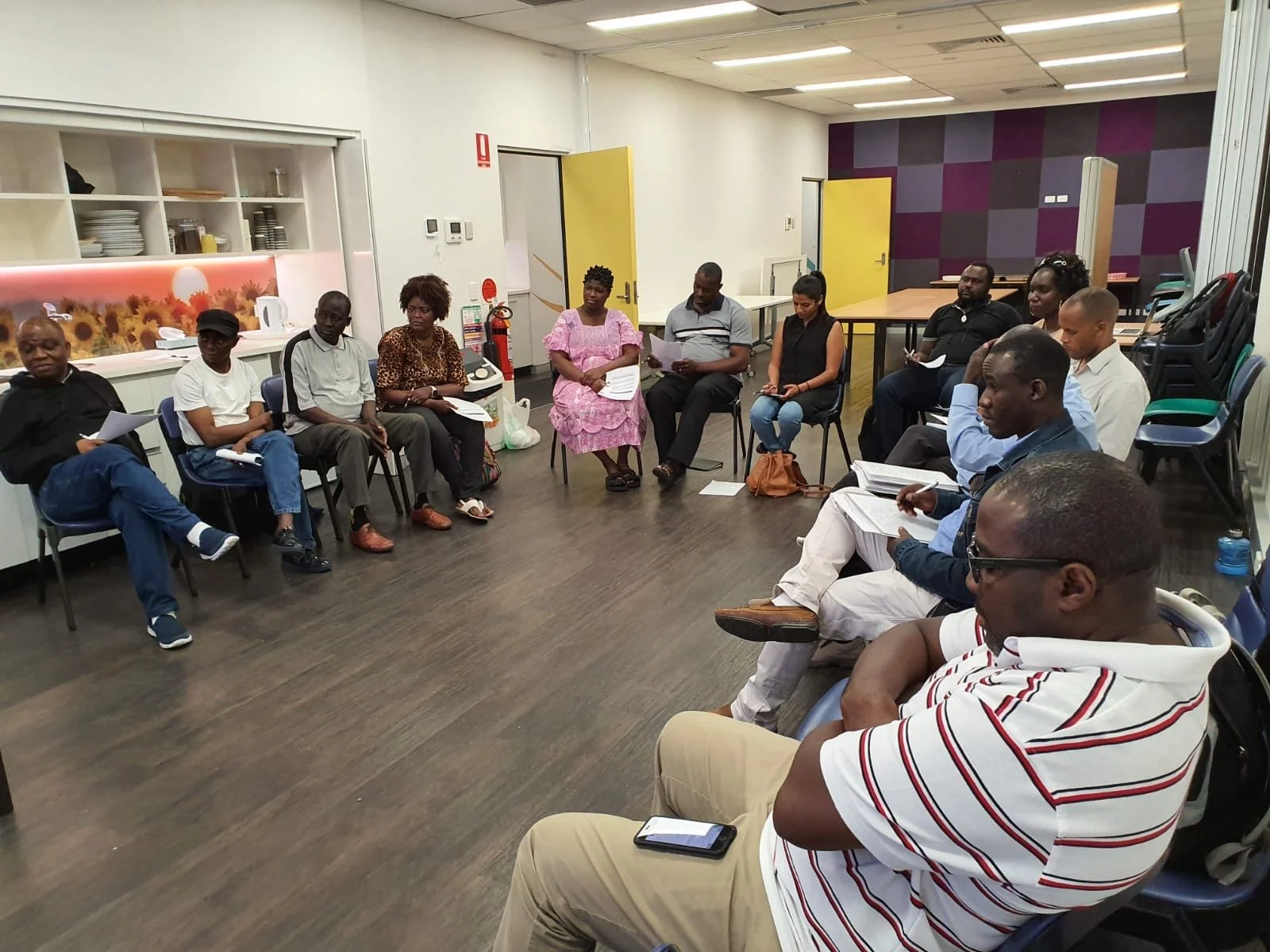
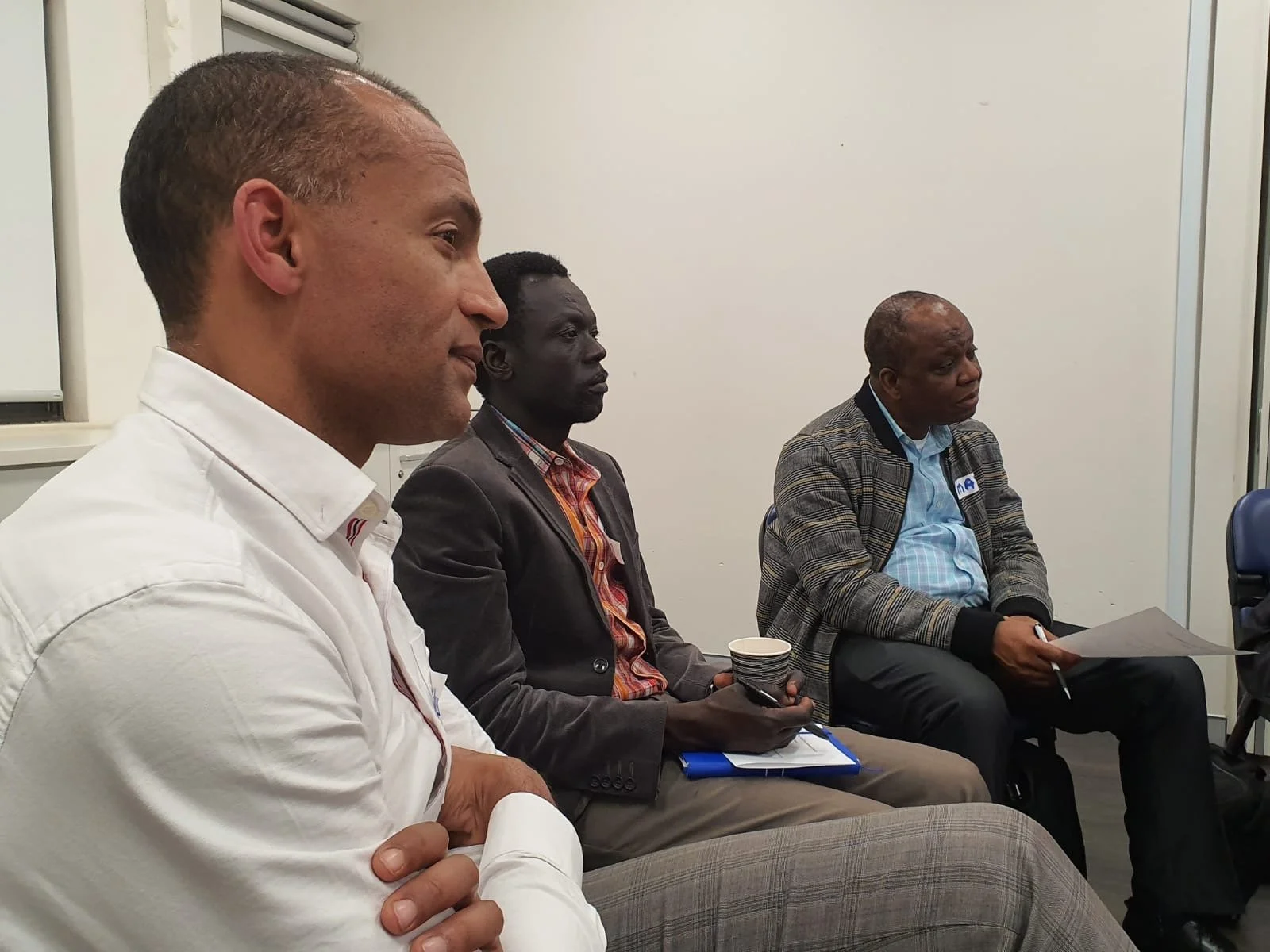
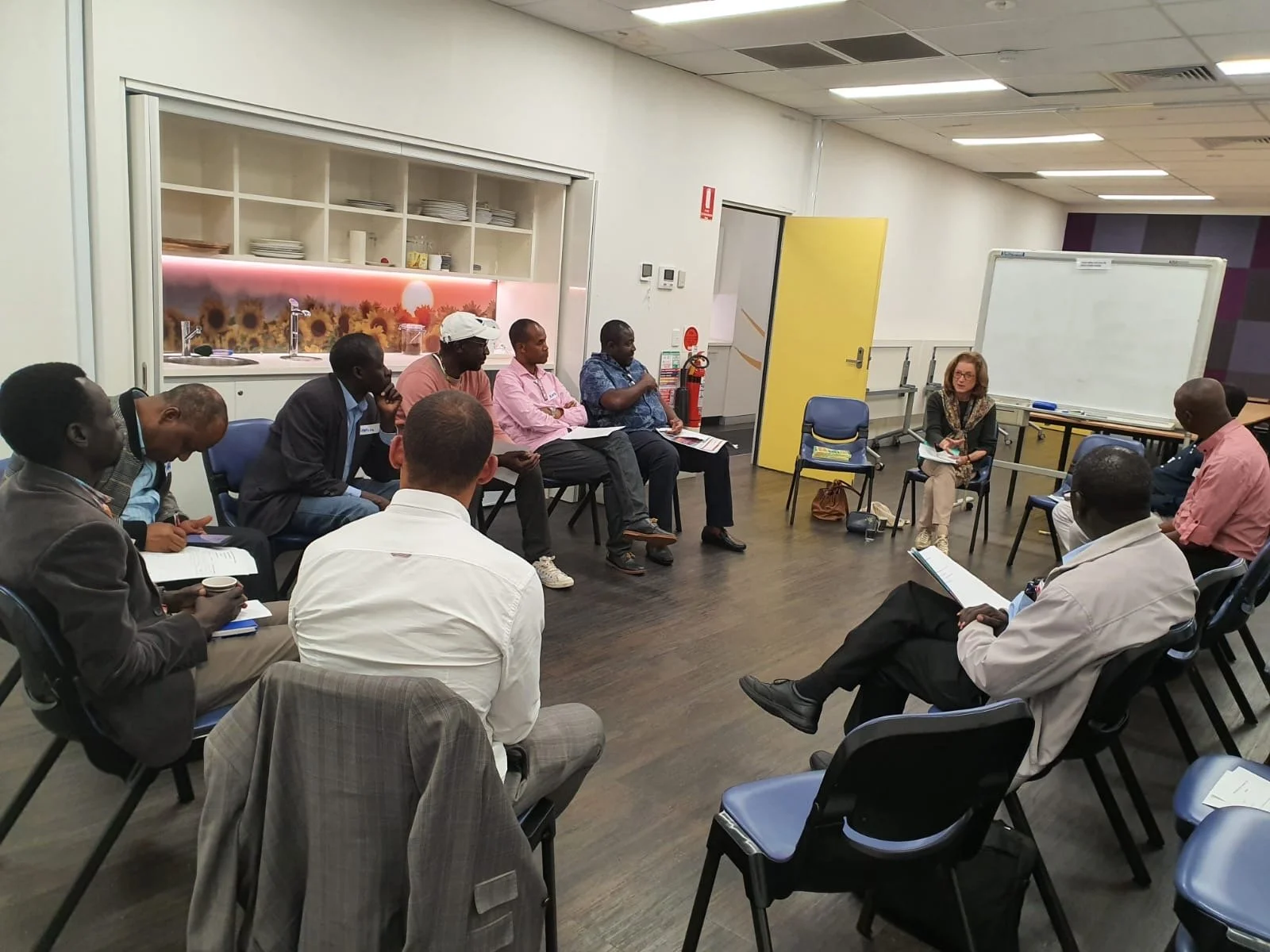
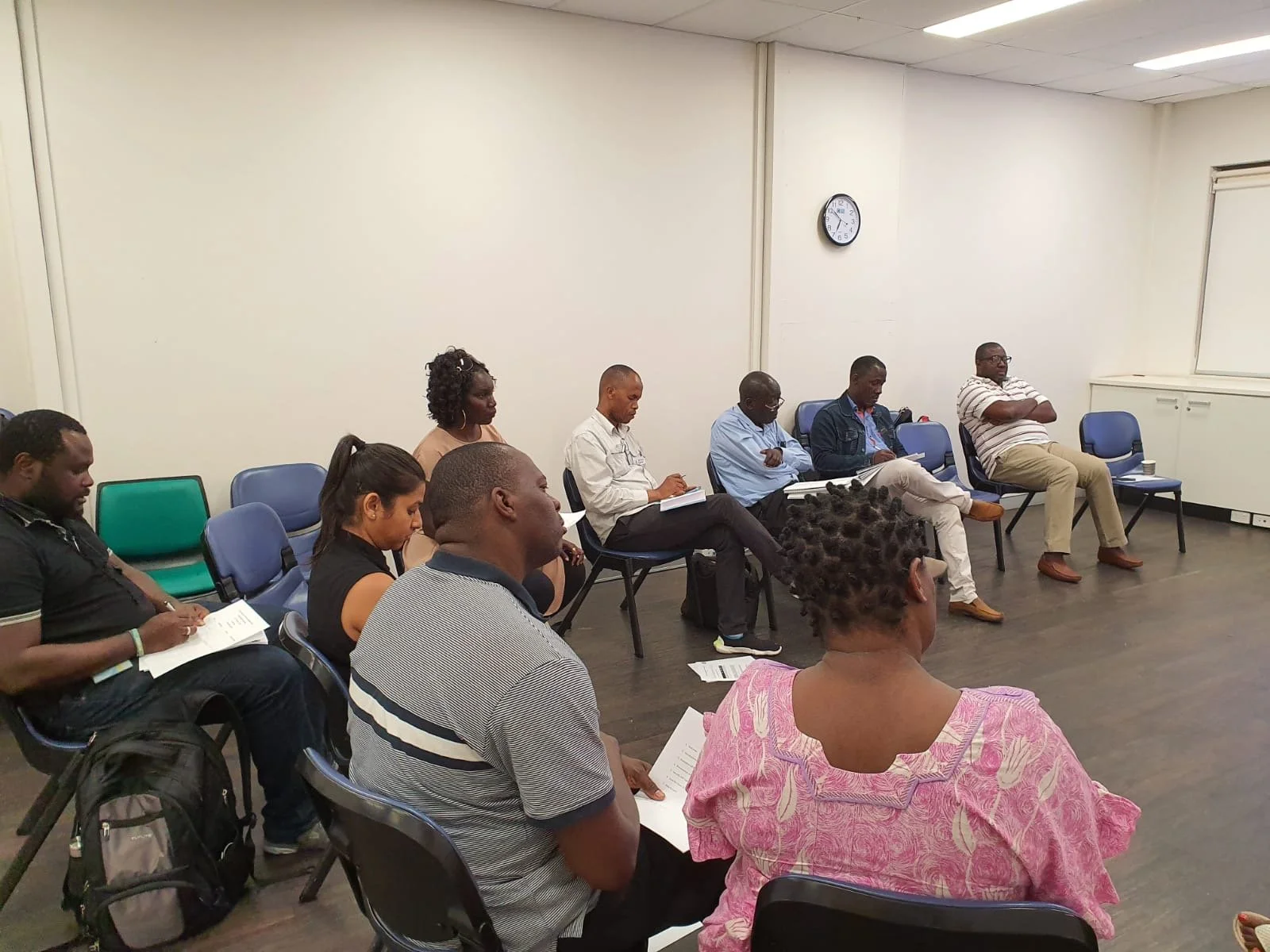
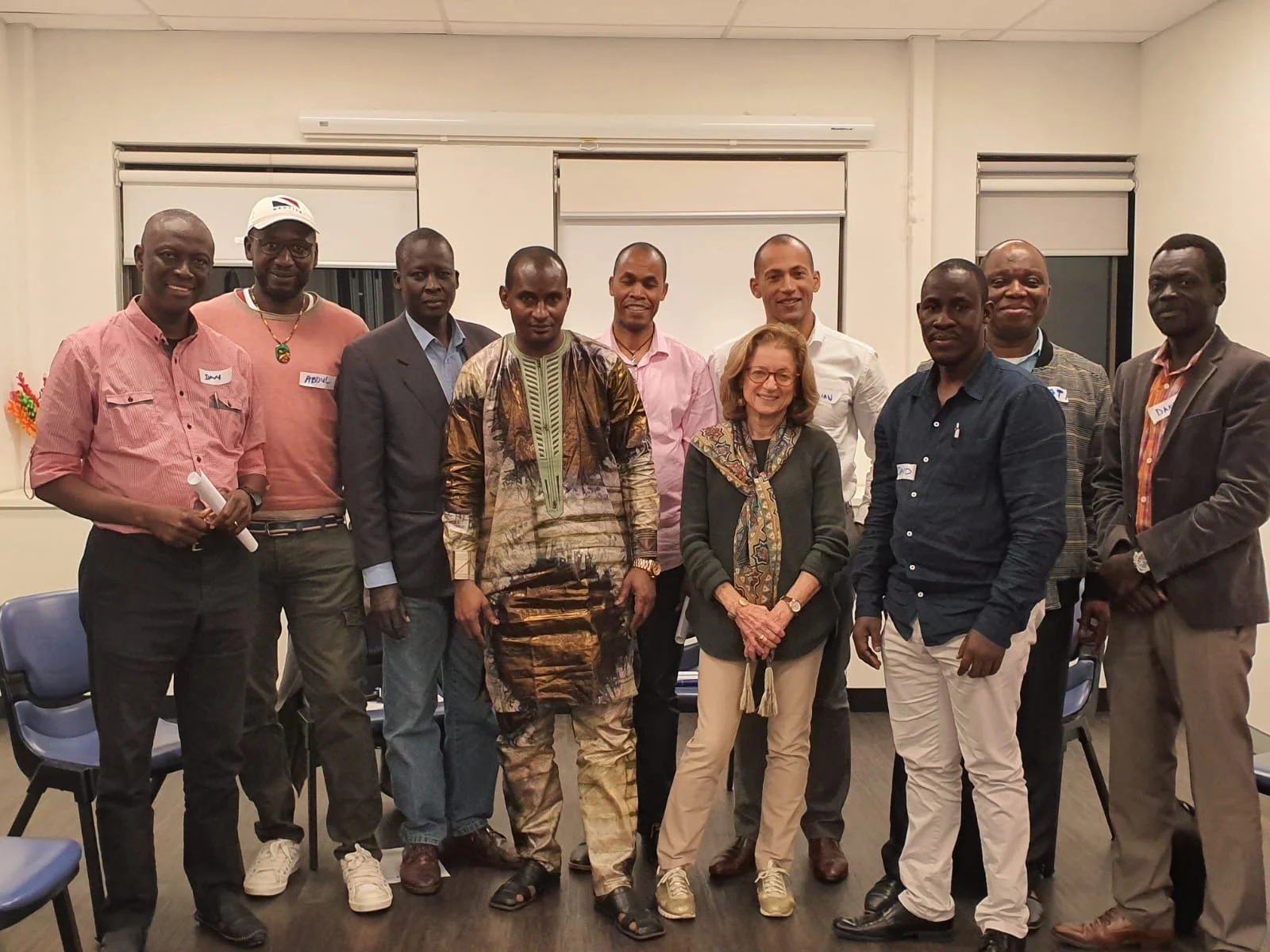
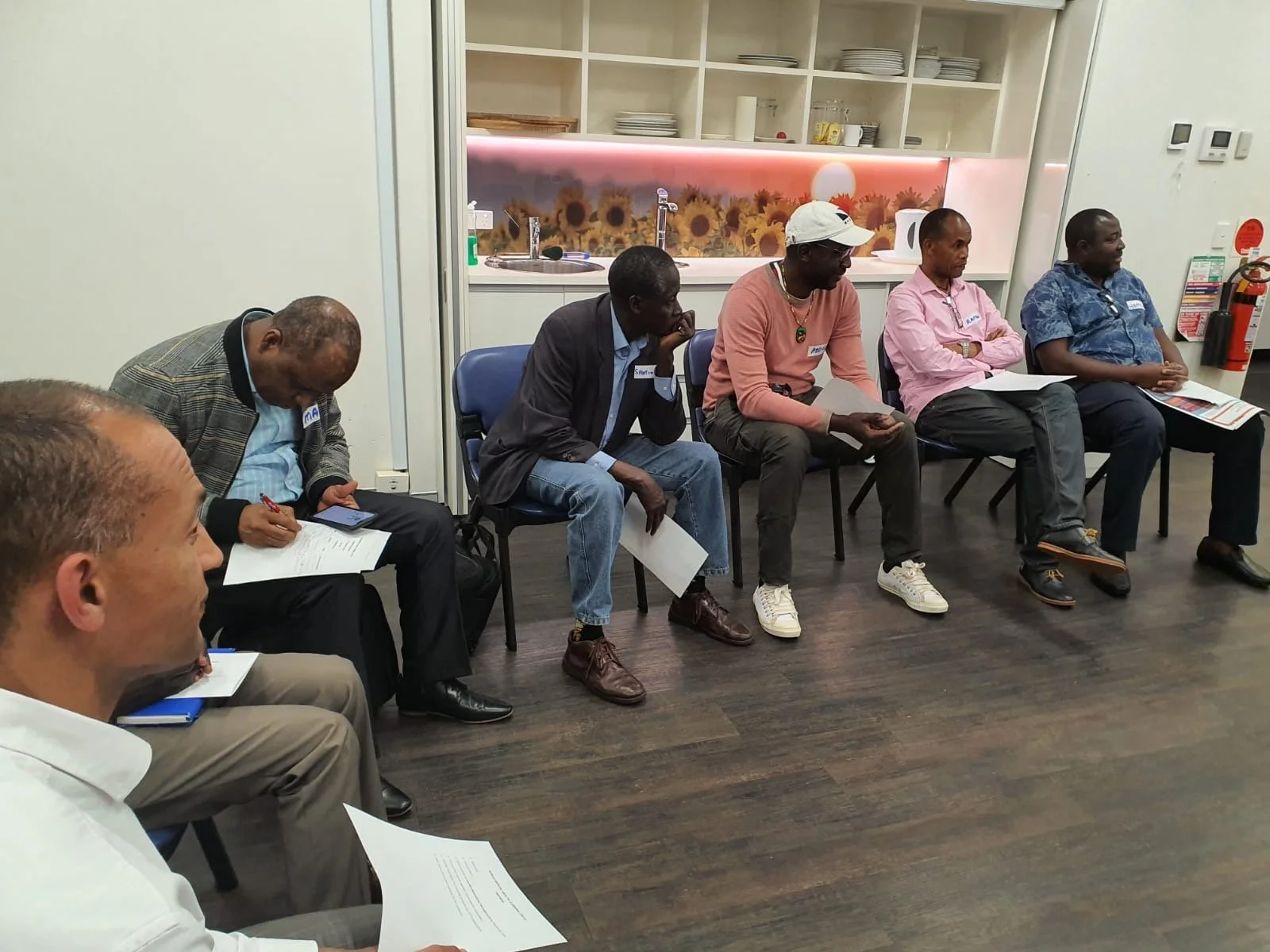
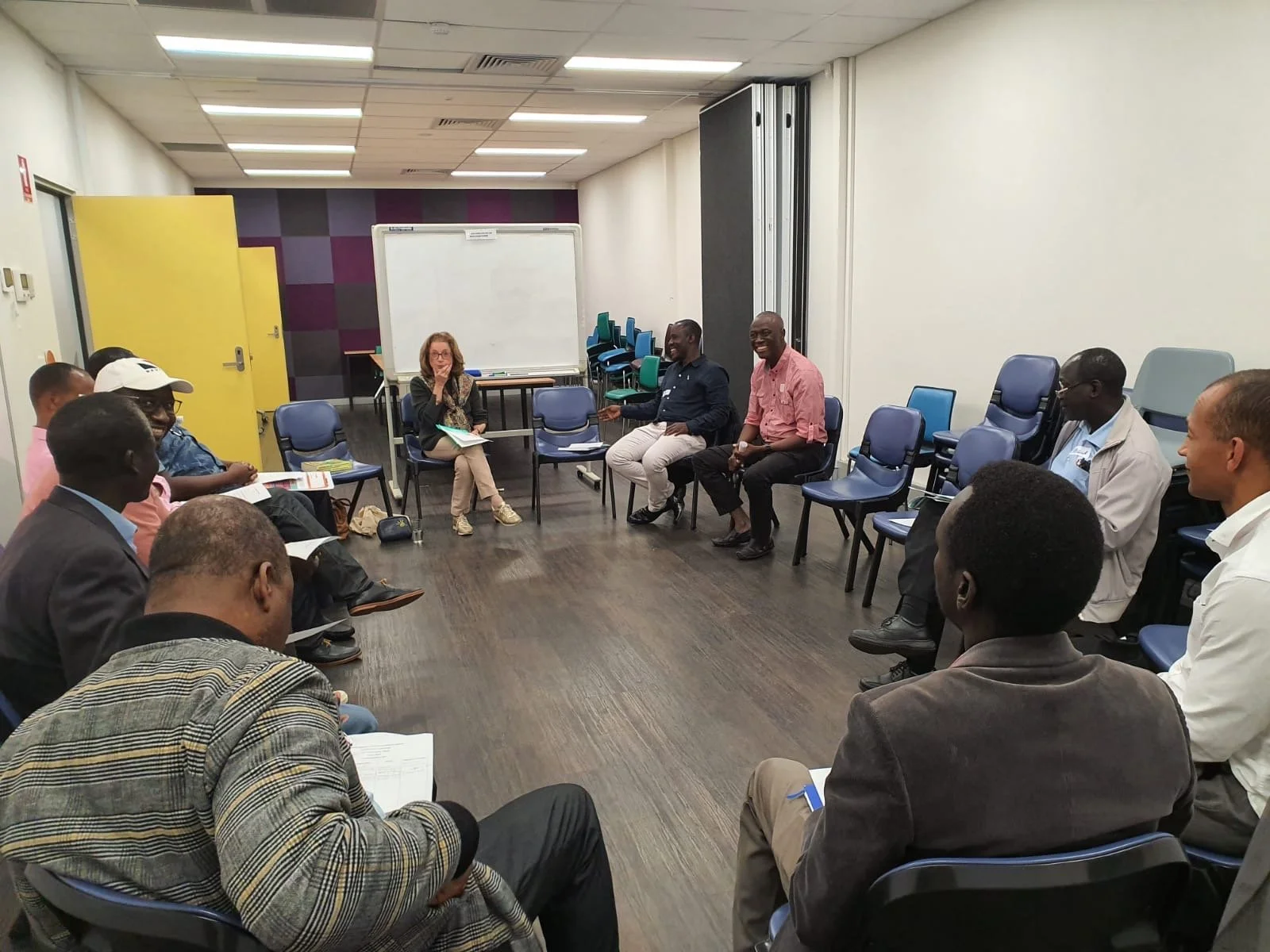
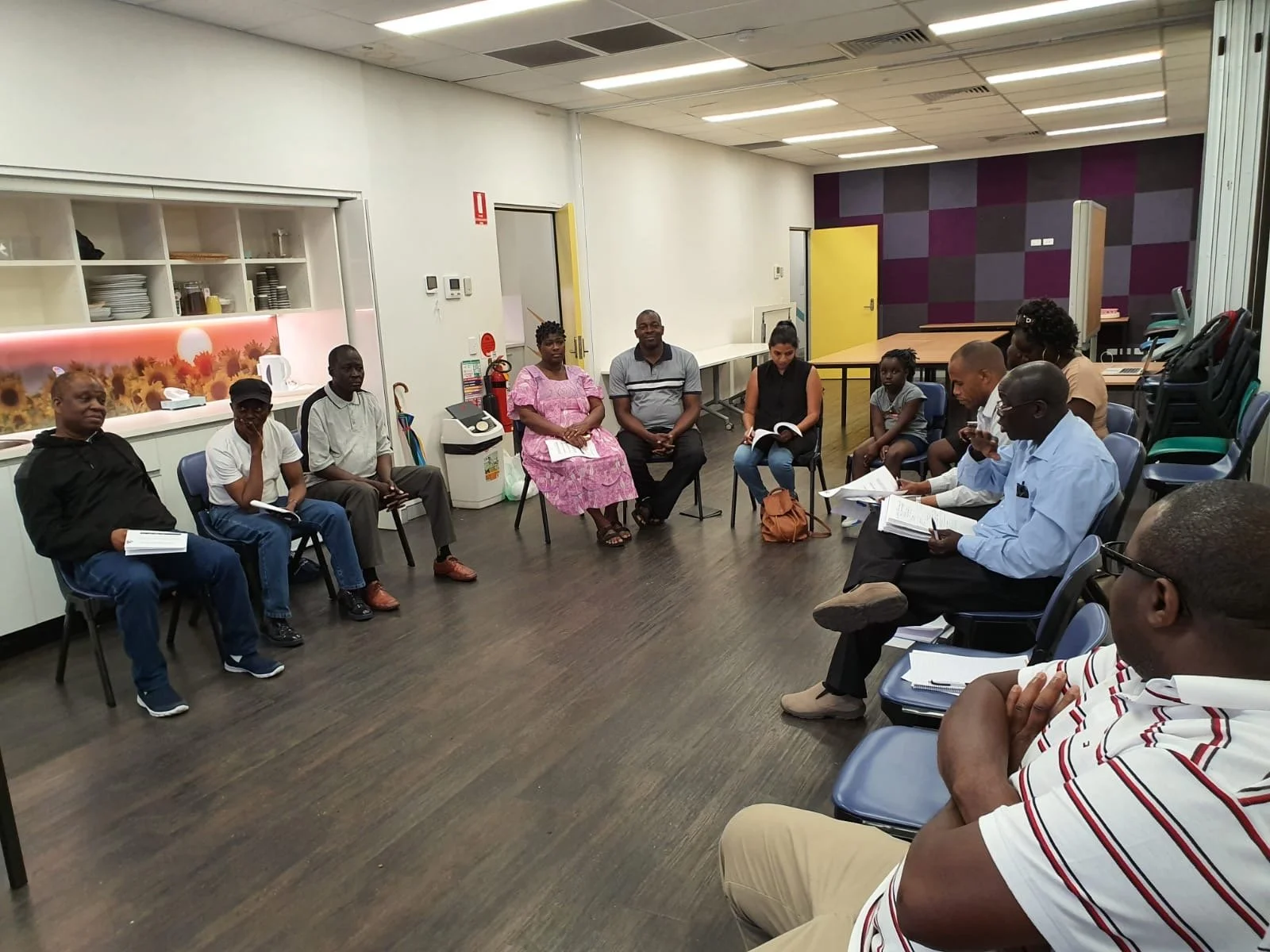
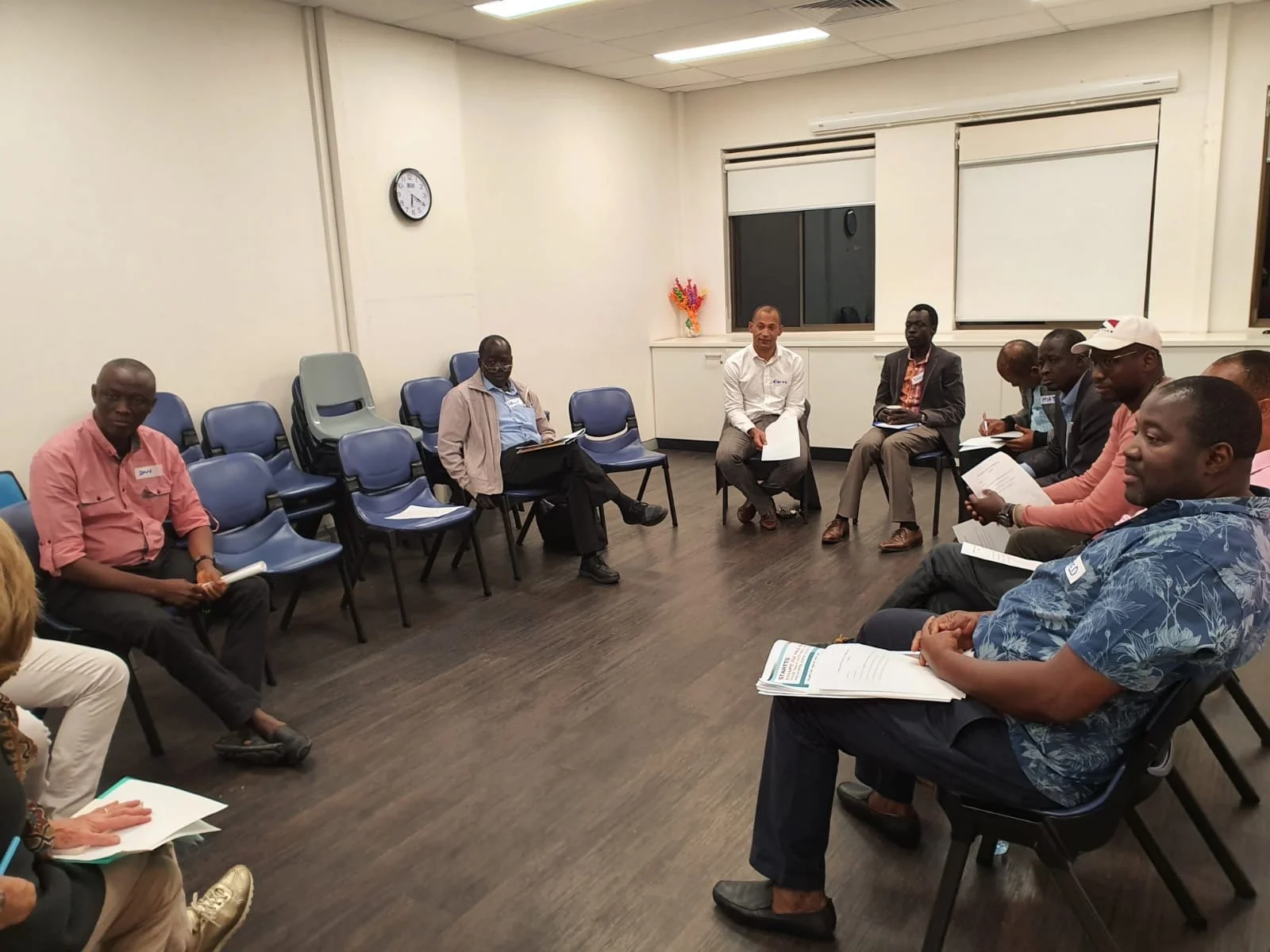
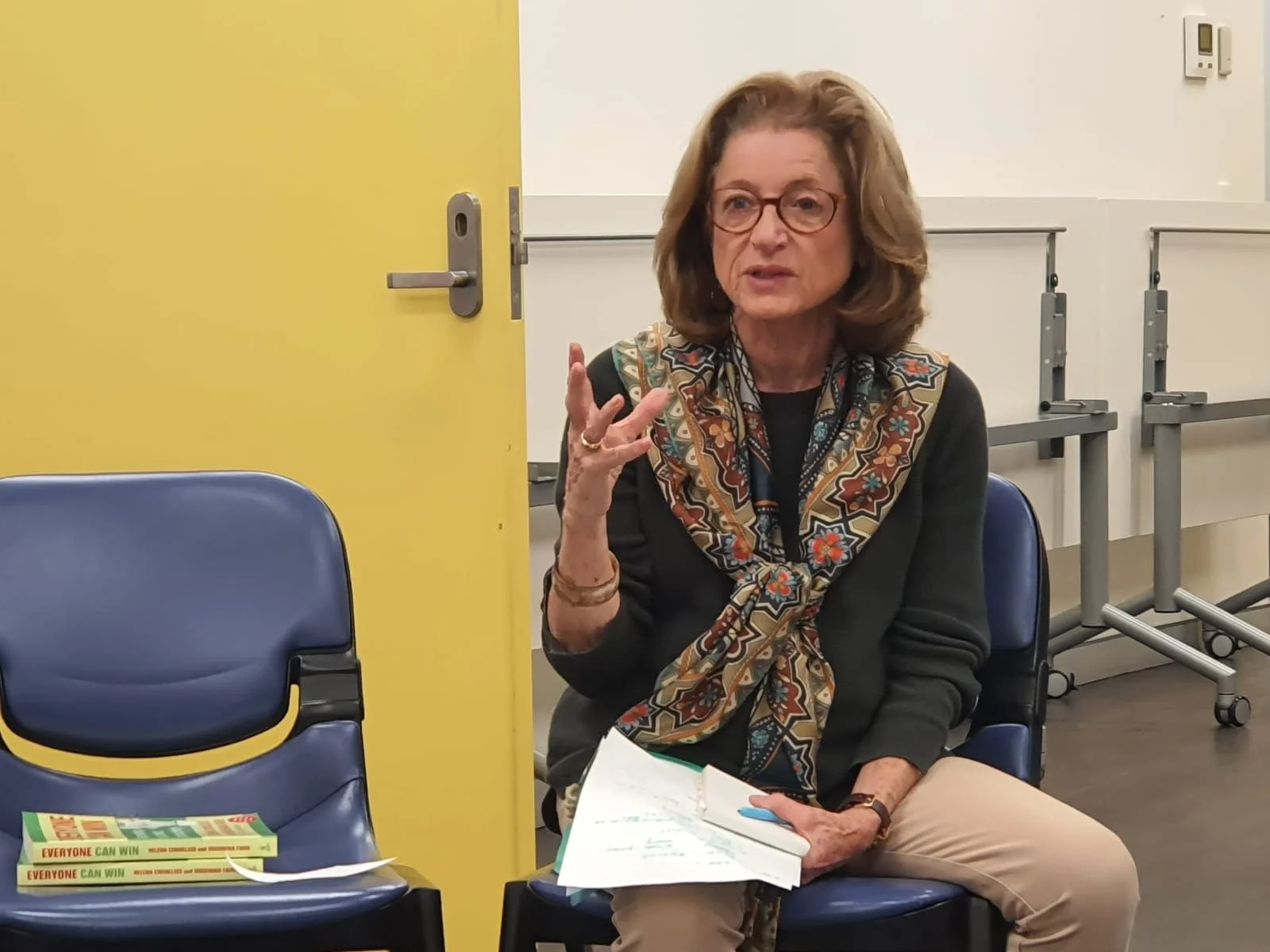
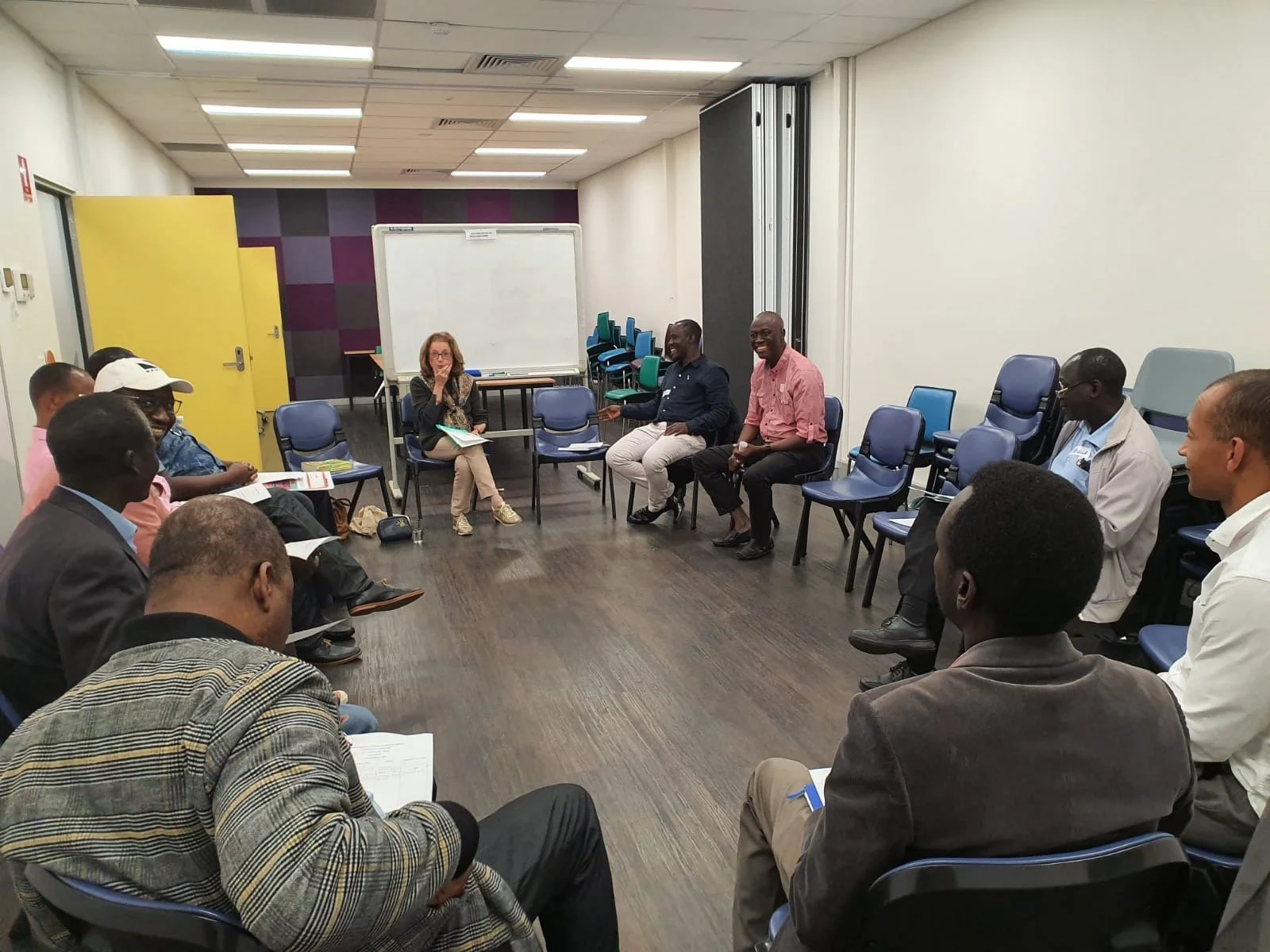
The African Wellbeing Support Network began as the African Mental Health Learning Circle, a community-based initiative supported by NSW STARTTS and initially funded by Dooley’s Lidcombe Catholic Club from 2018 to 2020. It started with a simple idea that worked. It would bring African community leaders, elders, women, young people and mainstream mental health services into the same room, month after month, and let trust build from there.
What began as a series of learning circles has grown into a community-led network and has been registered as an independent not-for-profit, enabling African communities across NSW to lead their own mental health promotion and awareness-raising in collaboration with key stakeholders.
Together, we’re building trust, improving mental health literacy and wellbeing, and creating sustainable community leadership within African communities.
Mission
To promote the mental health and overall wellbeing of African individuals, families and communities across New South Wales by improving mental health literacy, reducing stigma, strengthening community resilience, increasing AOD awareness and creating trusted, culturally safe and responsive pathways to mental health, wellbeing, AOD and support services.
Vision
A New South Wales where African individuals, families and communities are empowered to thrive, enjoy positive mental health and wellbeing, feel culturally understood and supported, and have equitable access to trusted, culturally responsive services without stigma or discrimination.
Why this matters
Across African communities in NSW, individuals and families can face significant challenges as they navigate migration, settlement, cultural adjustment and social isolation. Too many people, including children, young people, parents, men, women and elders, carry mental health and wellbeing concerns without a trusted, culturally safe place to turn for support.
Migration and refugee experiences can bring unique pressures, including trauma, separation from family and community, financial stress, parenting challenges and difficulty navigating unfamiliar systems. Mental health concerns may go unrecognised or unsupported because of stigma, cultural barriers, limited awareness of available services, or a lack of services that genuinely understand African cultural contexts. AOD misuse can also stem from these experiences.
When these challenges are unaddressed, the impact can extend beyond the individual and affect relationships, parenting, children’s development and the wellbeing of future generations.
Men must also be part of the conversation. Stronger families and healthier communities require mental health and wellbeing support that includes fathers, mothers, young people, elders and individuals at every stage of life.
These are the gaps we exist to close: reducing isolation, strengthening families, improving access to culturally responsive support, promoting responsible drinking, and building healthier, more connected African communities across NSW.
Our Journey
-
2018
Our journey begins
The African Mental Health Learning Circle, launched under the auspices of NSW STARTTS and funded by Dooley’s Lidcombe Catholic Club, brought together African community leaders and mental health services across NSW.
-
Now
Building the network
We’re expanding our focus to mental health literacy and the wellbeing of all Africans in NSW, especially families and young people, and deepening partnerships with NSW STARTTS, health and mental health services across NSW.
-
Next
Preparing for sustainability
We hope to train community advocates, peer support leaders, and strengthen leadership to prepare the network for life beyond grant funding.
-
Ahead
Standing independently
The African Wellbeing Support Network is a registered not-for-profit organisation that promotes mental health and wellbeing in the African community, for the community.
Our team
The African Wellbeing Support Network is guided by a Board of experienced professionals with lived experience, cultural understanding, and a shared commitment to building trust between the community, mental health services, and alcohol and other drug (AOD) support.